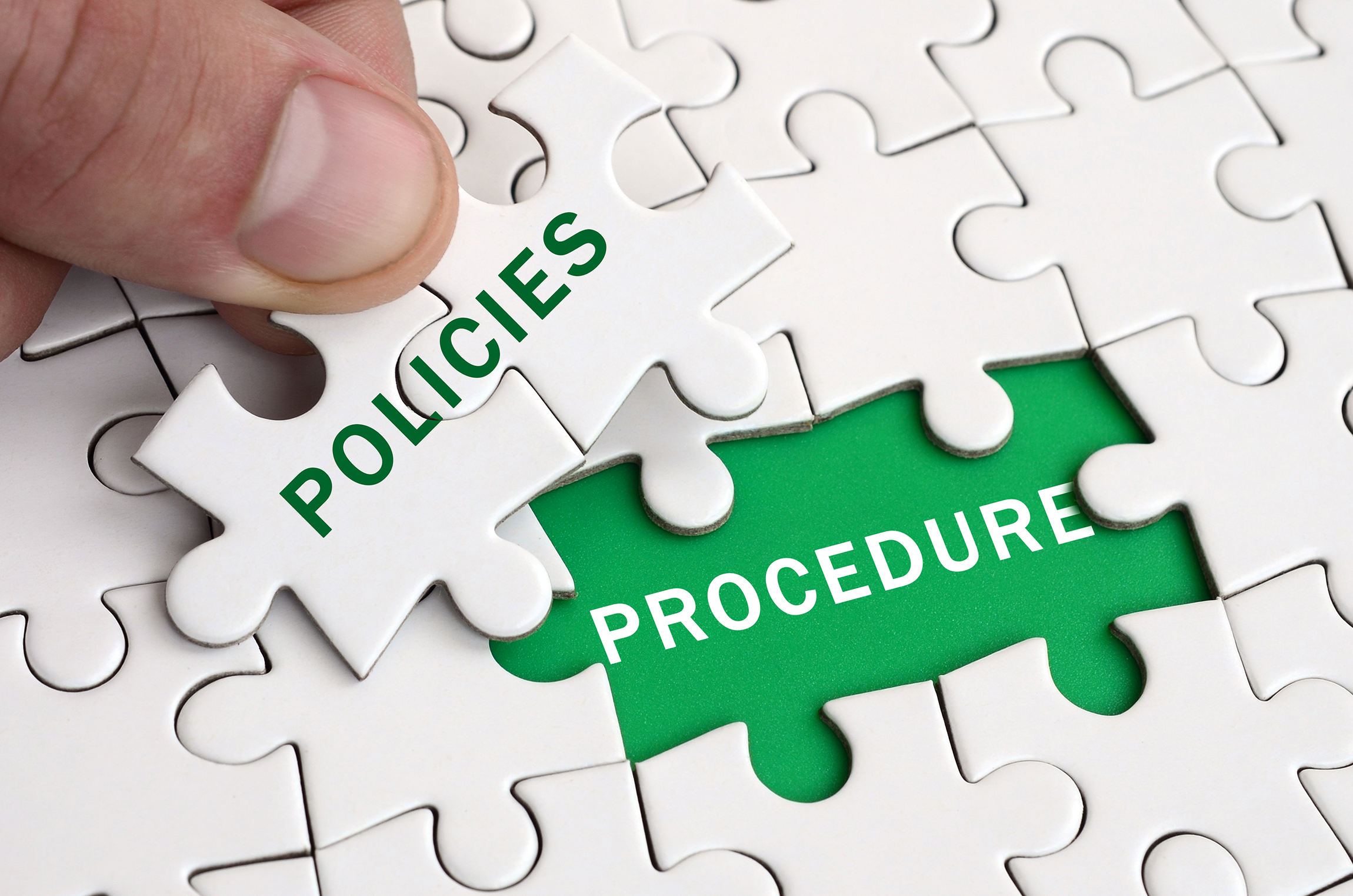
Why strong policy and procedure systems are essential for governance, compliance, evidence control and inspection readiness in 2026
Health and social care providers are under increasing pressure to do more than deliver safe, compassionate and effective services. They are expected to show, clearly and consistently, how standards are set, how risks are managed, how staff are guided, how decisions are recorded, and how leaders know that care is being delivered in line with legal, regulatory and organisational expectations. That is one reason policies and procedures remain so important. They are not administrative extras. They are part of the infrastructure of safe, accountable and well-led care. CQC’s current assessment approach continues to place strong emphasis on evidence, leadership, governance, safety culture and how organisations understand and respond to risk. Skills for Care likewise describes governance, management and sustainability as the bedrock of outstanding adult social care.
In this blog, Dr Richard Dune explains why policies and procedures still matter so much in 2026, why static documents alone are no longer enough, and what kinds of systems regulated organisations need to meet modern expectations for compliance, governance, evidence control, and inspection readiness.
One of the most common mistakes in regulated services is treating policies and procedures as paperwork to be filed away until an inspection, complaint, or incident forces someone to retrieve them. That mindset is no longer defensible. A policy is not simply a document. It is a statement of organisational intent, responsibility and expectation. A procedure translates that intent into an operational process. Together, they help organisations define what good looks like, reduce unsafe variation, support accountability and provide a reference point when things go wrong.
This matters because health and social care settings are not low-risk environments. Providers are dealing with safeguarding, medicines, infection prevention and control, consent, mental capacity, staffing, record-keeping, complaints, information governance, equality, risk management, and many other issues where inconsistency can quickly lead to harm, non-compliance, or loss of trust. In such settings, policies and procedures are part of how organisations create reliable systems rather than relying on memory, habit or goodwill alone.
That is also why regulators look beyond the existence of documents. The real question is whether they are current, understood, implemented, reviewed, and connected to how the service actually operates. CQC’s quality and safety expectations, Skills for Care’s governance guidance, and the ICO’s accountability and governance requirements all point in the same direction: organisations need systems that show how standards are set, monitored and evidenced in practice, not just written down.
There are several reasons why the importance of policies and procedures has grown rather than declined.
At their best, policies and procedures do at least six important jobs.
This is why organisations that treat policies as static text often struggle. The documents may exist, but they do not function effectively within the governance system.
Many organisations do not fail because they lack documents altogether. They struggle because the documents they do have are weakly controlled, poorly integrated or disconnected from practice.
These are not minor administrative irritations. They are governance weaknesses. And in 2026, governance weaknesses are much more visible.
Although the wording varies by sector and regulator, the direction of travel is clear. Organisations are expected to have systems that support good governance, accountability, risk management, information governance and learning.
Skills for Care’s guidance on governance, management and sustainability makes the point plainly: providers need to demonstrate good governance arrangements and show how quality, safety and sustainability are actively managed. The ICO’s accountability guidance similarly expects organisations to embed governance in the handling of personal information, including maintaining records of breaches and implementing data protection by design and by default. Updated safeguarding guidance for children’s services and education settings likewise reinforces the expectation that policies and procedures are clear, implemented and capable of supporting safe, coordinated action.
In practice, this means organisations need more than:
What is increasingly required is a live policy and evidence system that supports:
A standalone policy document can still be useful, but on its own, it does not meet the needs of a modern regulated organisation.
A provider may have a data protection policy, a safeguarding policy, a complaints procedure and a medication policy. But if they sit in a disconnected folder with no live versioning, no staff acknowledgement, no review workflow and no connection to governance oversight, the organisation is still exposed. If a serious incident occurs, leaders may need to answer questions such as:
A static file does not answer those questions. A system might.
That is why policy control is increasingly becoming part of a wider governance architecture. Policies and procedures now need to connect to documents, evidence, audits, workforce learning and risk oversight. If they do not, they remain important, but not fully operational.
Good policy and procedure systems in 2026 usually have the following features.
This is the difference between a document library and a policy system.
To meet regulatory requirements more confidently in 2026, providers usually need a combination of systems rather than a single isolated document store.
The critical point is integration. Systems should reduce fragmentation, not digitise it.
ComplyPlus™ is designed for organisations that want policies and procedures to function as part of a wider compliance, governance and workforce assurance ecosystem. Its Policies & Procedures offer a live, editable and legally aligned digital policy library for regulated sectors, with continuous updates, version control and staff acknowledgement tracking. That matters because many organisations need more than just access to documents. They need control, currency and defensibility.
ComplyPlus™ Docs supports the structured storage of audits, certificates, logs, governance records, reports and operational evidence in one centralised, secure environment. ComplyPlus™ GRC extends that further by linking governance, risk, audits, incidents, action plans and reporting into a more joined-up system of oversight. The wider ComplyPlus™ ecosystem also connects policies and documents to workforce development through the LMS and TMS, while ComplyPlus™ Legal adds integrated legal, HR and regulatory assurance where required.
In practical terms, this makes ComplyPlus™ particularly relevant for organisations that want to move beyond disconnected files and template packs and build a more joined-up operating model for policies, evidence, compliance and inspection readiness.
The real issue in 2026 is not whether policies and procedures still matter. They do. The real issue is whether organisations are managing them in a way that reflects current regulatory, operational and governance expectations.
The strongest providers will not be those with the most documents. They will be those with the clearest standards, the strongest control over versions and ownership, the best linkage between policy and practice, and the most defensible evidence when questions are asked.
In health and social care, policies and procedures are not just documents to produce when challenged. They are part of how safe, accountable and well-led services are built.
If your organisation is looking to move from static documents and fragmented evidence to a more connected compliance model, ComplyPlus™ brings together the tools, structure and support needed to strengthen governance, control documentation, and stay inspection-ready every day.
Contact Us to discuss your organisation’s policy control, evidence management and digital compliance requirements.
Stay informed with practical, relevant updates and join thousands of
managers, directors, trainers and compliance professionals.
 Follow Us on LinkedIn

